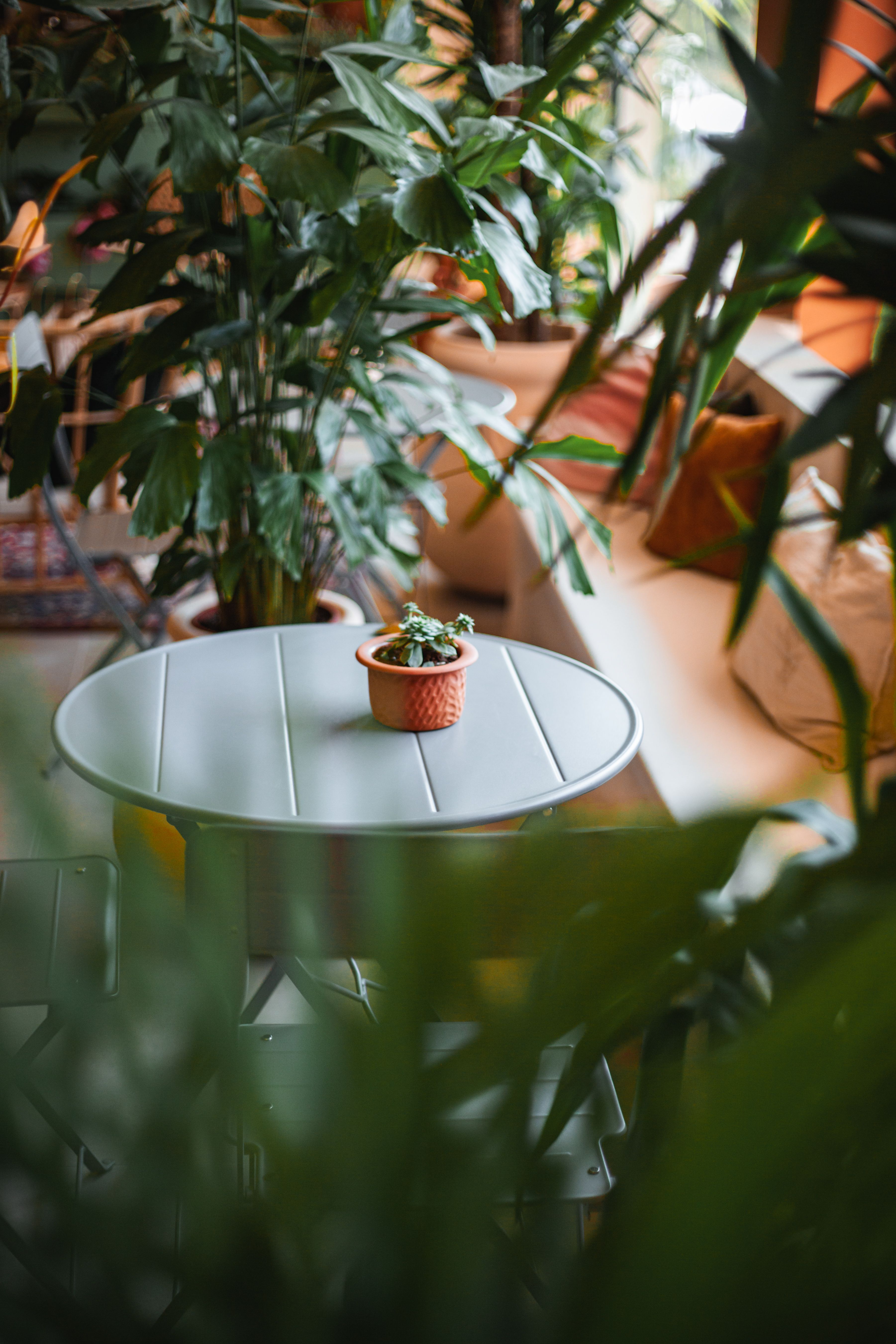
Biophilic Design Beyond Plants: Light, Air and the Outdoors
Looking beyond plants to light, air, weather and the everyday ways architecture connects us to nature.

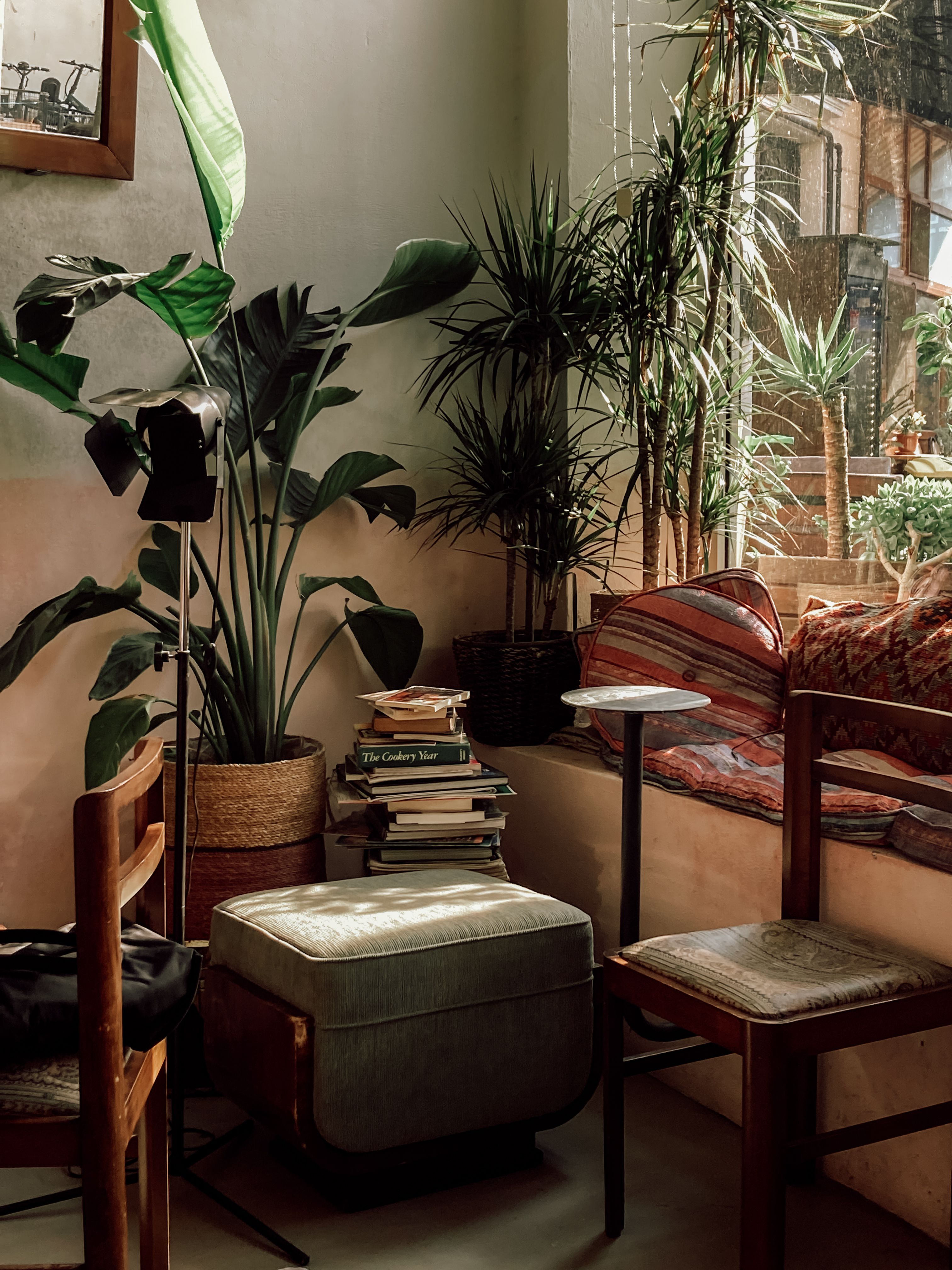
Mention biophilic design in a meeting and the conversation has a fairly predictable way of ending up at plants. A planter in the living room. A green wall in the lobby. Perhaps a courtyard if the building allows for one. Somewhere along the way, our relationship with nature seems to have been reduced to how much greenery we can fit into a photograph.
But some of the strongest experiences I've had of nature inside a building have had very little to do with plants.
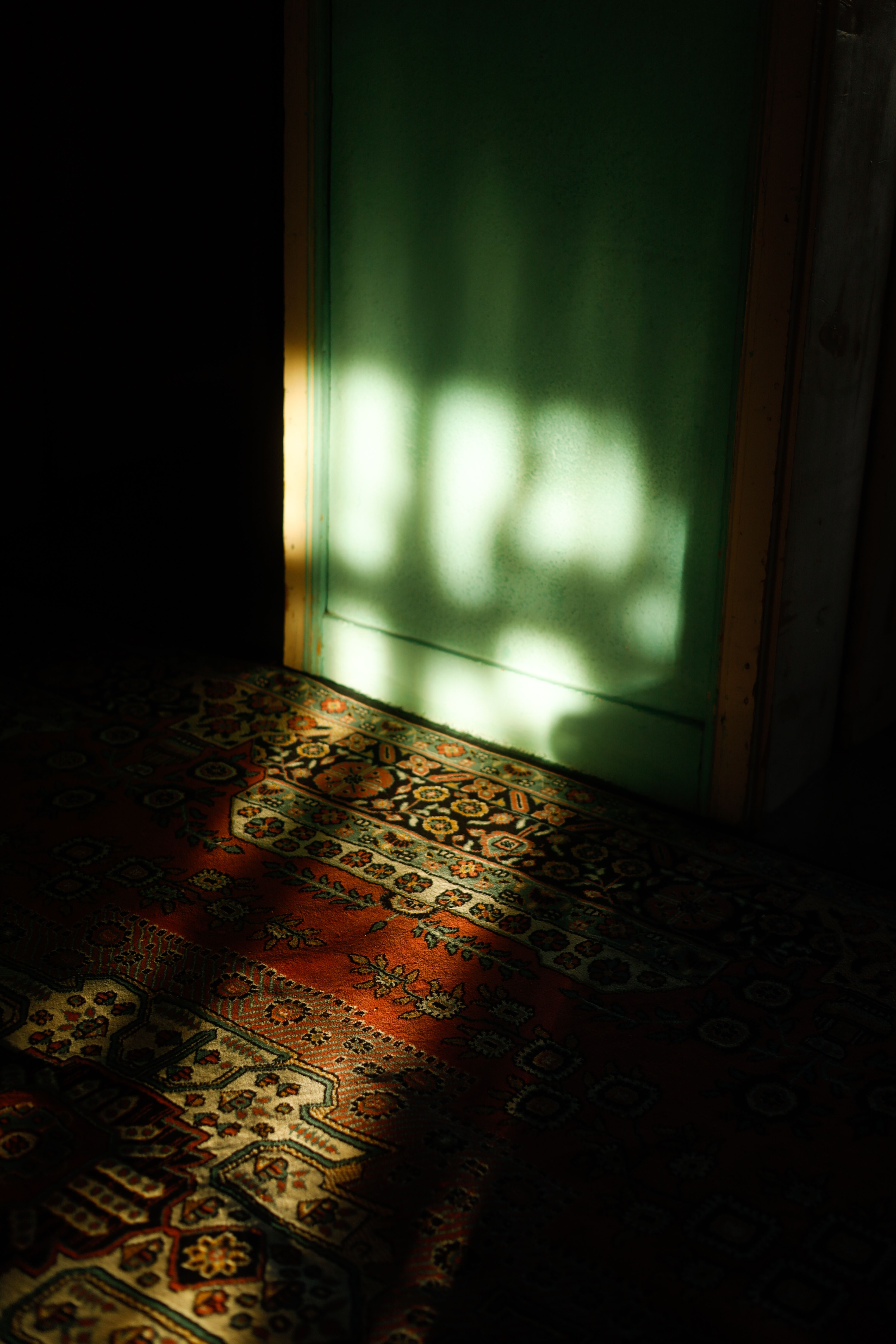
It can be the patch of sunlight that moves across a floor through the course of the morning, or a window positioned so that you notice the rain while sitting at a dining table. It is the breeze moving through two openings on opposite sides of a room, the sound of water somewhere nearby, or the change in temperature when you step from a sunlit courtyard into a shaded verandah. None of these requires bringing nature indoors. They require the building to remain connected to what is already happening outside it.
Traditional homes understood this remarkably well, often without needing a name for it. Courtyards brought daylight, rain and changing weather into the centre of a house. Verandahs created a space that belonged neither completely indoors nor outdoors. Deep overhangs protected rooms from harsh sun while allowing them to remain open. Windows responded to breeze and orientation rather than simply occupying the centre of a wall. Materials such as stone, timber and lime changed subtly with temperature, moisture, use and age.
These weren't decorative gestures towards nature. They affected how the building actually worked.
That distinction matters because a room can contain twenty plants and still have very little relationship with the natural world. If the windows remain sealed, the lighting never changes, the temperature is mechanically held at the same setting and there is no sense of what the weather is doing outside, adding greenery can only do so much.
The reverse is also true. A room with no indoor plants at all can feel deeply connected to its surroundings if morning light enters differently from evening light, a tree outside becomes part of the view, windows can be opened when the weather allows it and the material palette carries some evidence of where the building belongs.
I find thresholds particularly interesting for this reason. A balcony, verandah, courtyard or even a sufficiently deep window ledge gives us somewhere to experience the outside without necessarily being fully in it. In many older Indian homes, these spaces were part of everyday life. You sat there with tea, dried clothes, spoke to neighbours, watched rain arrive and moved indoors when the sun became too strong. The architecture allowed nature to be encountered through ordinary routines rather than presented as a feature.
This is where I think some contemporary interpretations of biophilic design become too literal. We reproduce the image of nature rather than designing for an experience of it. A green wall becomes easier to specify than reconsidering where a window should go. Plants can be added towards the end of a project; orientation, ventilation, shade and thresholds have to be considered much earlier.
Of course, plants can be wonderful. I use them in projects and live with plenty of them myself. But they are one part of a much larger relationship.
The next time someone asks me about biophilic design, I would probably begin with a different set of questions. Where does the morning light enter? Can you tell when it starts raining? Is there somewhere to sit between inside and outside? Can a window be opened when the weather is good? What will this room feel like at four in the afternoon compared with eight in the morning?
And then, perhaps, we can decide where the plants go.
Further Reading
- In Defence of Shadows — Why shade, contrast and the controlled movement of daylight can be as important as brightness in a home.
- What Makes a Home? — A reflection on how everyday experiences, memories and a sense of place shape our understanding of home.
- Bathroom styles — A collection of serene interiors using natural materials, soft light and a restrained relationship with the outdoors.