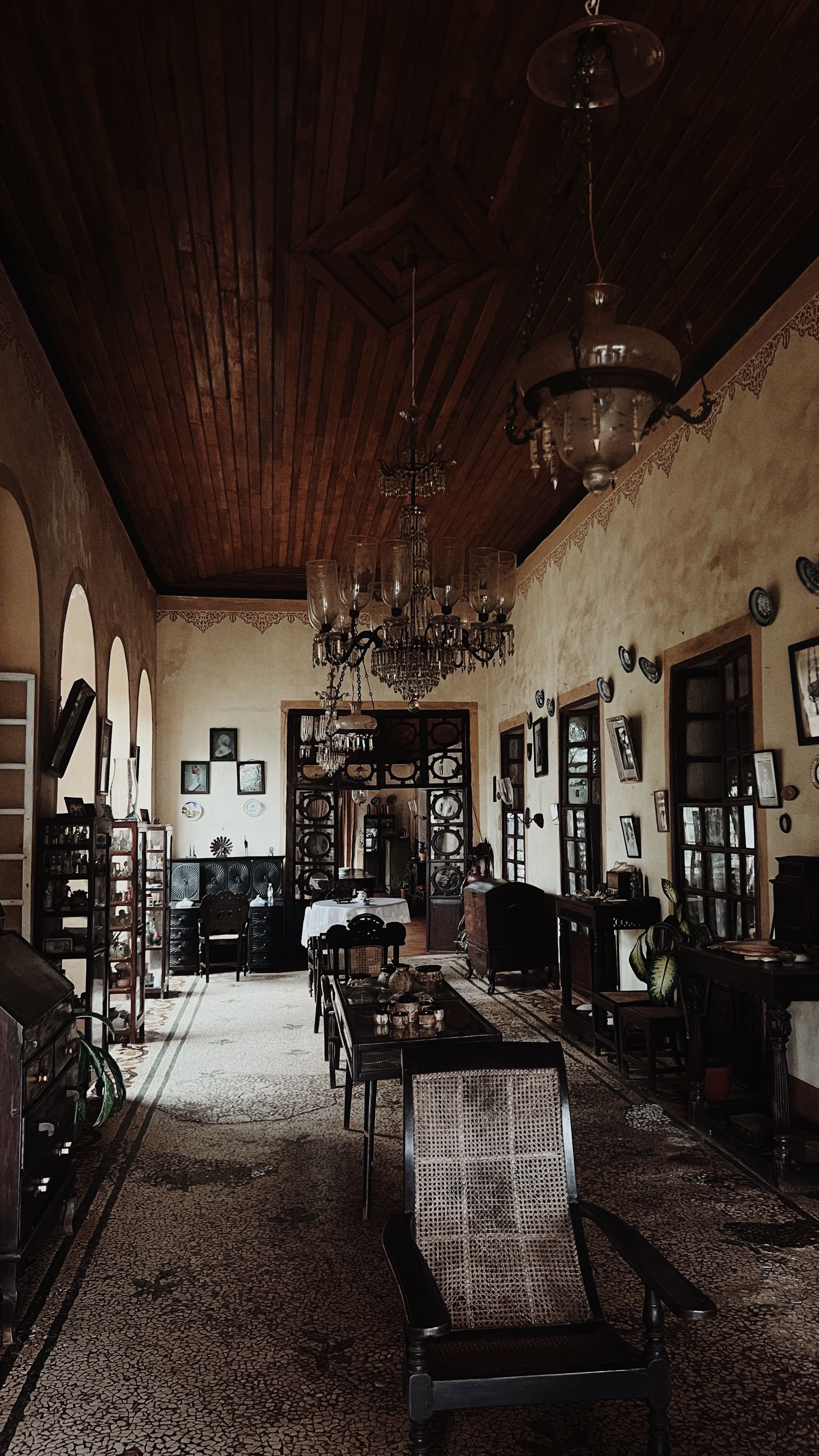
A reflection on Kota stone, Raja Ravi Verma, and how familiarity often disguises value in design, culture, and the things we choose to admire.
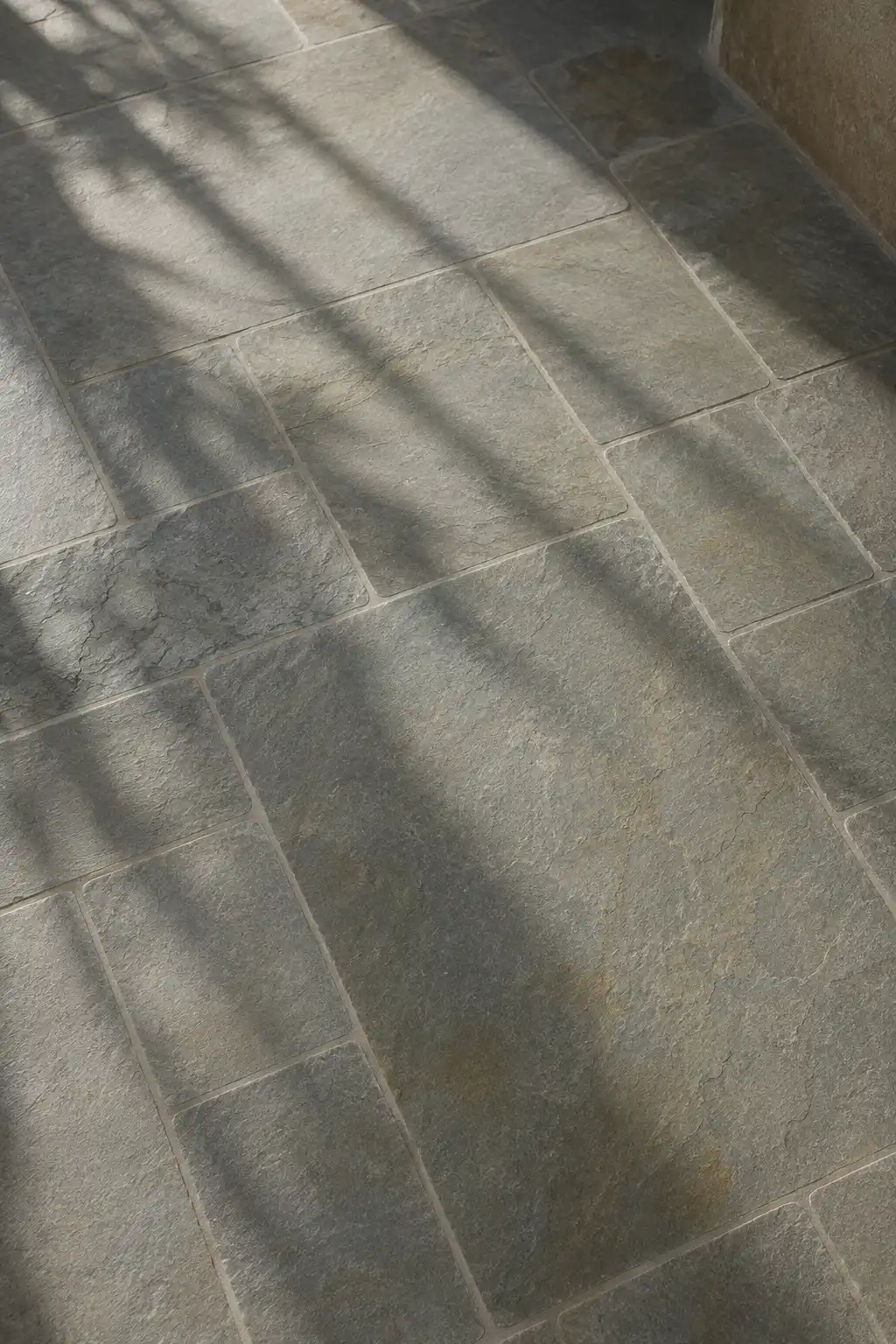
About ten years ago, I suggested Kota stone flooring for a project. The reaction was immediate. "That's what my parents had in their house when I was growing up." A few minutes later, we were discussing Italian marble instead. Neither material had changed, yet one belonged to the past and the other seemed to represent progress.
Over the years, I've sat through countless versions of this conversation. The materials change. The projects change. The pattern doesn't. Certain references arrive carrying aspiration before they've even been discussed. Others arrive carrying baggage. The conversation around Kota stone wasn't really about flooring. It was about distance. One material was associated with where the client came from. The other was associated with where they wanted to go.
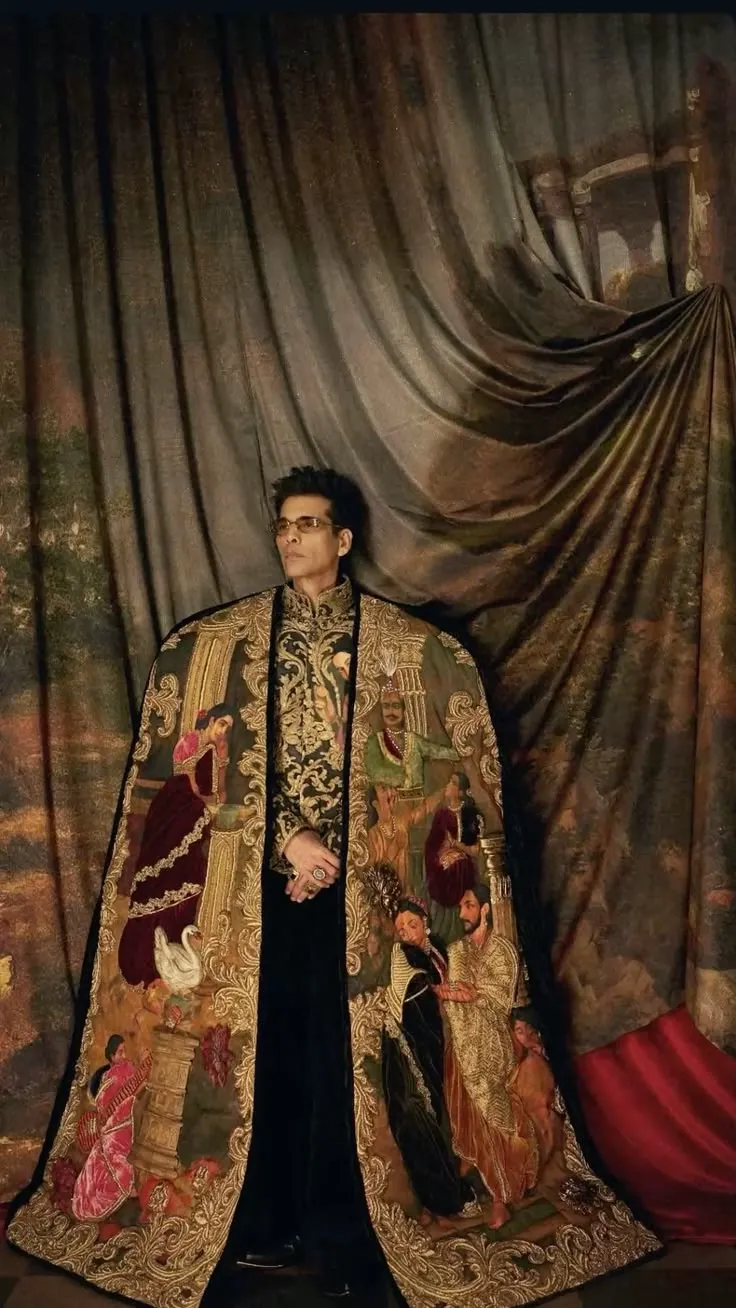
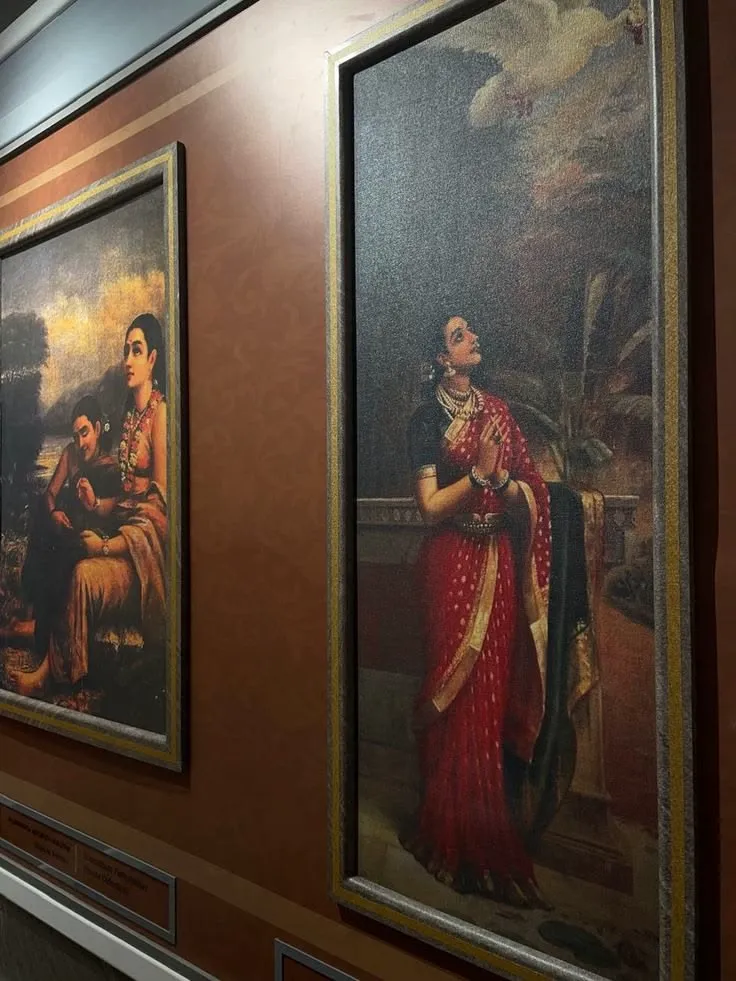
I thought about that conversation again this year when Karan Johar appeared at the Met Gala in a Manish Malhotra ensemble inspired by Raja Ravi Varma. The hand painted cape drew directly from paintings that have been part of the Indian visual landscape for generations. Ravi Varma's work has moved through our homes in framed reproductions, calendars, devotional imagery, textiles and prints. Many of us have grown up around some version of it.
At the Met Gala, that familiar visual language was suddenly being encountered in a very different frame. The paintings hadn't changed, nor had the references behind them. What changed was the context in which we were being invited to see them. Something deeply familiar could now be read as couture, craftsmanship and cultural inheritance.
I've watched smaller versions of this happen repeatedly in design. A carved wooden detail dismissed as dated can become desirable when it appears in a contemporary interior. A handmade textile can move from traditional to aspirational depending on how it is presented. Local craft can acquire an entirely different value when it returns to us through a gallery, a luxury brand or an international stage. The object itself may barely have changed. The frame around it has.
The longer I work in design, the less convinced I am that these conversations are only about beauty. Familiarity plays a surprisingly large role in how we assign value. Things we have grown up around can become so ordinary to us that we stop looking at them closely. Distance can make them visible again.
Raja Ravi Varma did not become more significant when his work appeared at the Met Gala, just as Kota stone does not become a better material when it appears in a beautifully photographed contemporary home. The work was already there, along with the craftsmanship, history and cultural richness we now find ourselves admiring.
The only thing that changed was where we were being asked to look.
Further Reading
- The Things We Make Beautiful — How people transform limitations and everyday circumstances into objects, materials and forms with identity.
- What Fontainhas Taught Me About Goa — How local materials and practical constraints can become enduring parts of architectural identity.
- Whimsical Flooring Guide — A collection of expressive flooring ideas that explores how materials, patterns and context influence what we see as desirable.