From Belur’s temple architecture to lived in homes, exploring how time leaves its mark on design.
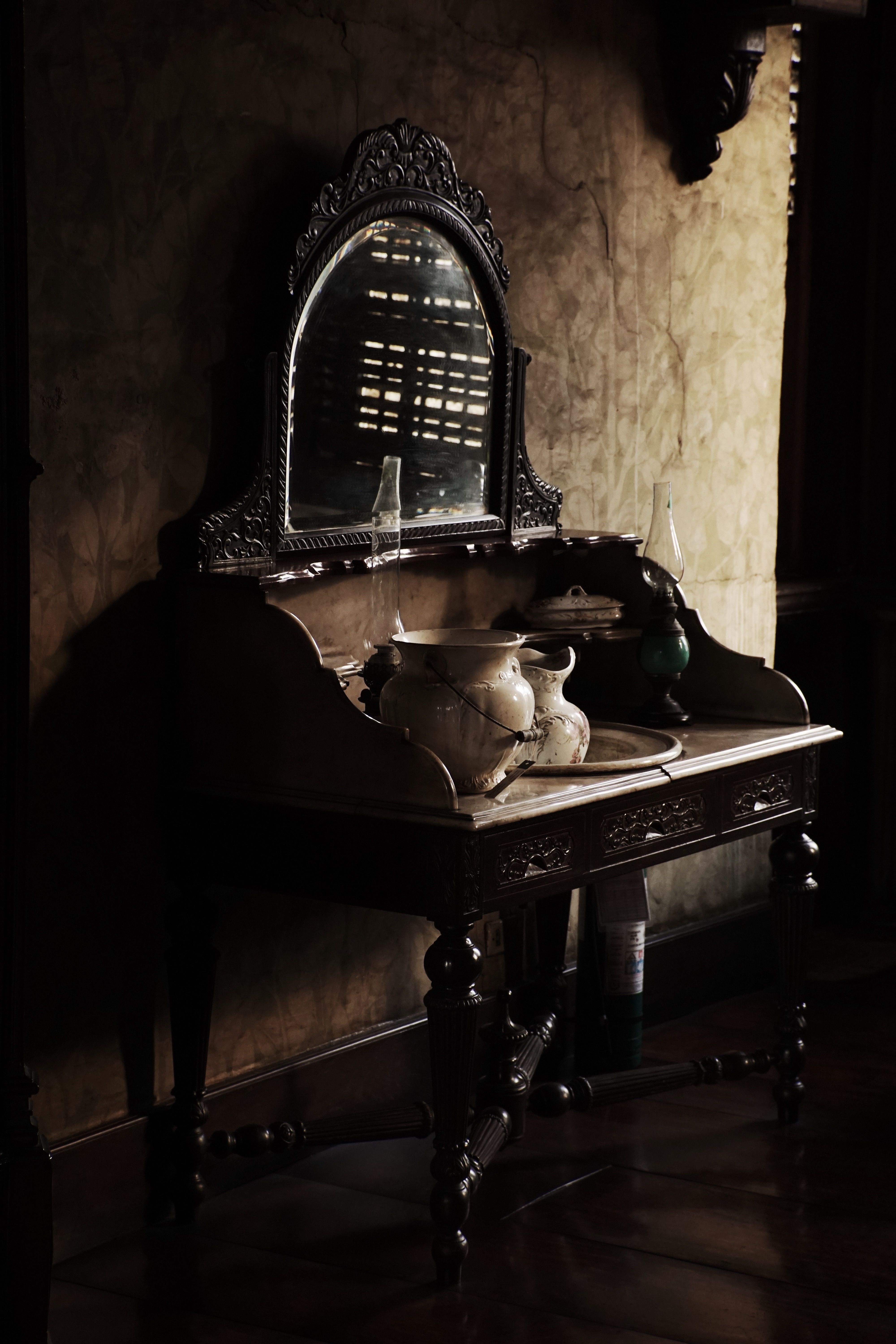

A few months ago, I spent nearly two weeks with a client choosing the objects that would eventually find their place in her new home. We looked at artwork, lighting, furniture, sculptures and the quieter pieces that give a house its personality. At one point, I suggested an old copper lamp for an empty corner of the living room. Its surface had already begun to develop a soft patina, the kind that only years of use can create. She looked at it for a moment before saying, "It already looks old." The lamp never made it into the house.
We spend enormous amounts of time creating homes that look complete on the day we hand them over, and almost as much effort choosing surfaces and finishes that will preserve that moment for as long as possible. Wear is something to resist, stains are something to prevent and signs of age are often treated as evidence that a material is no longer performing as it should. Yet the homes we remember rarely remain frozen at the moment they were finished.
A home begins collecting evidence of the people living in it almost immediately. Parents start marking their child's height behind a bedroom door, adding another pencil line every birthday until the markings reach eye level and keep climbing. Your father's favourite chair slowly moulds itself to him until it becomes the only one he'll comfortably sit in. A faint stain on the sofa becomes inseparable from the evening friends stayed late over dinner, when one too many glasses of wine were poured and somebody laughed hard enough to send a drink onto the upholstery. What begin as small imperfections gradually become part of the biography of a home.
I'm currently working on a house where much of the existing furniture has belonged to the family for generations. Instead of replacing it, we're restoring it. The timber carries softened edges and small dents accumulated through decades of use. Those years aren't something we're trying to erase. They are part of the reason the furniture still feels as though it belongs in the house.
At Belur and Halebidu, time is visible in an entirely different way. The Hoysala architectural tradition developed across the twelfth and thirteenth centuries, with the Channakeshava Temple at Belur consecrated in 1117 and the temples at Halebidu representing the continued development of that architectural language. These were not buildings conceived and completed in a single moment. The architecture, sculpture and extraordinary knowledge required to make them developed across generations.
That becomes almost overwhelming when you get close to the stone. Entire surfaces are occupied by sculpture. Bands of elephants, horses, foliage, figures and stories run around the buildings, while individual sculptures carry astonishing detail in jewellery, clothing, posture and expression. Hundreds of Hoysala artists signed their work, sometimes recording their names, lineages and titles. The closer I looked, the harder it became to see the temple as one monumental object. It was also the accumulated work of individual craftspeople, skills and ideas carried forward over time.
Then there is another history accumulating underfoot. For centuries, people have moved through these spaces. Stone has worn smooth along familiar paths, edges have softened and shallow hollows have appeared where countless feet have passed. At Belur, that continuity is especially remarkable because the Channakeshava Temple remains a living place of worship. The building hasn't simply been preserved for us to visit. It has continued to be used.
One kind of time is embedded in the making of these buildings, through knowledge developed and carried forward across generations. Another has accumulated since, through worship, weather, repair and ordinary movement across stone. Fresh stone could reproduce the material and extraordinary craftspeople could attempt the carving, but those centuries afterwards cannot be manufactured. Part of the architecture we experience at Belur and Halebidu today was made by time itself.
A few months ago, I visited one of our earliest residential projects, completed about five years ago. The furniture had moved as the family settled into different routines, their art collection had grown, the kitchen looked comfortably used and the sofas had softened. It no longer resembled the carefully styled photographs we had taken on handover day, but nothing about it felt diminished. The house had simply rearranged itself around the family living inside it.
There is, of course, a difference between a material ageing well and one simply deteriorating. Designing for time doesn't mean treating every stain, crack or damaged finish as character. It means recognising that handover day is only one moment in the life of a home, and choosing materials and objects with some understanding of what years of use might do to them.
Some of my favourite homes no longer look the way they did on the day they were completed. The furniture has moved, the art collection has grown, a dining table carries the marks of years of family meals, and the height chart behind a bedroom door has quietly climbed towards the ceiling. They don't look unfinished. They look lived in.
Further Reading
- In Defence of Shadows — How light, shadow and changing conditions give materials depth and allow a room to evolve through the day.
- The Things We Make Beautiful — A reflection on how constraints and circumstances can become part of the identity of what we make.
- Whimsical Flooring Guide — A collection of expressive flooring ideas exploring materials, patterns and surfaces that can contribute character to a space.