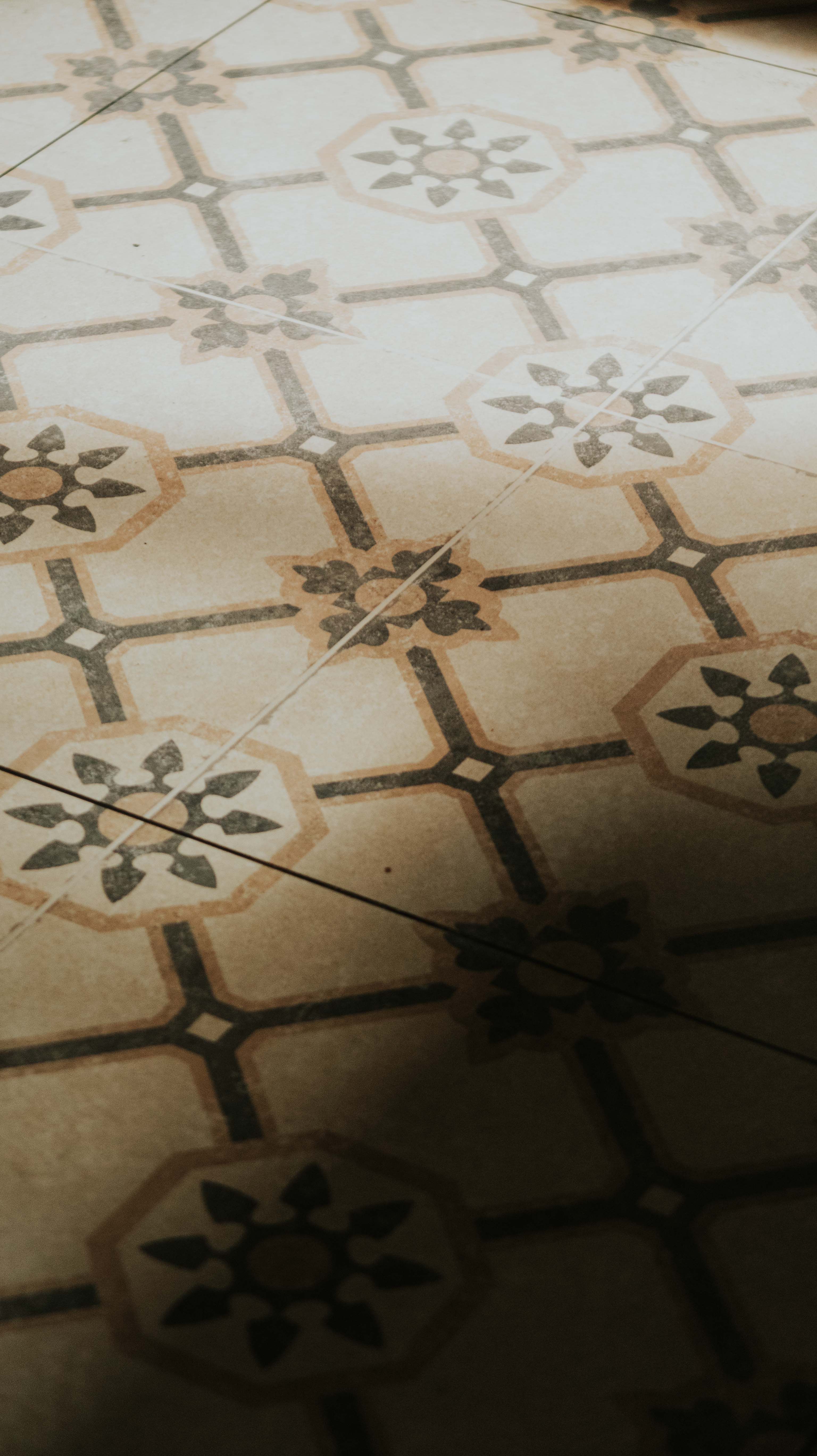
A visit to NGMA becomes a reflection on flooring, longevity, and the quieter design decisions that shape our experience of a space.
My design projects have a habit of following me around. I'm currently working on a home inspired by vernacular architecture, and once I've spent enough time immersed in a project like that, I begin noticing references everywhere I go. A wood joint, a pattern in a fabric, an embellishment on a piece of furniture can suddenly feel relevant to something I've been drawing or discussing at work.
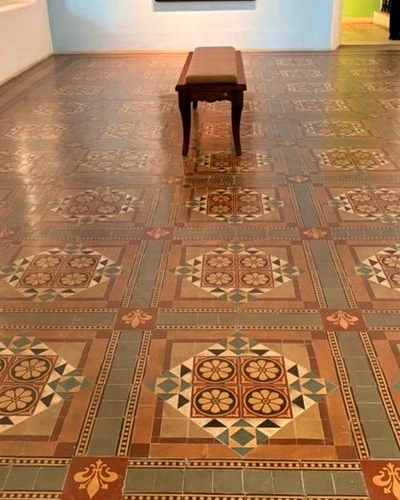
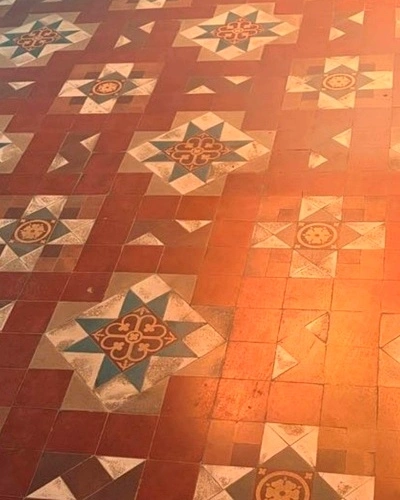
A few days ago, I visited the National Gallery of Modern Art in Bangalore and found myself looking down almost as often as I was looking at the walls. The patterns in the flooring echoed some of the ideas I had been exploring for the house, but it was the way they worked within the gallery that held my attention. Certain patterns marked transitions between spaces, while others framed the areas around the artwork. The floors carried an extraordinary level of detail and craftsmanship, yet remained remarkably understated within the rooms. They added rhythm, character and continuity without competing with what was being exhibited.
The artwork remained the centre of attention, but moving through the gallery felt inseparable from the architecture holding it. We experience so many details in a space this way, without necessarily stopping to identify them. A change in texture underfoot can tell us we've entered somewhere different. A bowl of fresh jasmine near an entrance can signal home before we've properly stepped inside. A bedside light positioned exactly where we need it becomes part of the nightly ritual of reading without requiring us to think about why it works.
The building itself was not originally designed as a museum, and its adaptation to a different use makes the flooring even more interesting. It is worn in places and softened by years of people walking across it, but the patterns continue to work within rooms whose purpose has changed. The craftsmanship still feels considered, and the floor still belongs.
I left the gallery thinking about how much work that floor was doing without asking to be looked at. It helped distinguish one space from another, carried pattern and craftsmanship through the rooms, and gave the gallery character while allowing the artwork to remain the reason we were there. I had gone in looking at art and came out with another reminder that some of the most useful design decisions are the ones we experience before we think to examine them.
It also sent me down a completely different rabbit hole. What began with noticing one floor ended with a Pinterest board dedicated entirely to flooring ideas from around the world. Some are beautiful, some are wildly impractical, and a few are almost certainly better left on Pinterest than anywhere near a real project.
The board is still growing, mostly because I haven't stopped noticing floors since.
PS: If you'd like to follow me down the same rabbit hole, I've linked the Pinterest board on the Resources page, along with some of the other references and things I collect along the way.
Further Reading
- Designing for Time — How materials and details change as homes are used, repaired and lived in over the years.
- What I Took Back From the Kochi Biennale — A reflection on circulation, behaviour and the ways people experience spaces differently from how designers anticipate.
- Whimsical Flooring Guide — A collection of expressive flooring ideas, patterns and materials from around the world.