From Halebidu’s intricate stonework to a sparse ancestral home, questioning what we really mean when we ask for less.
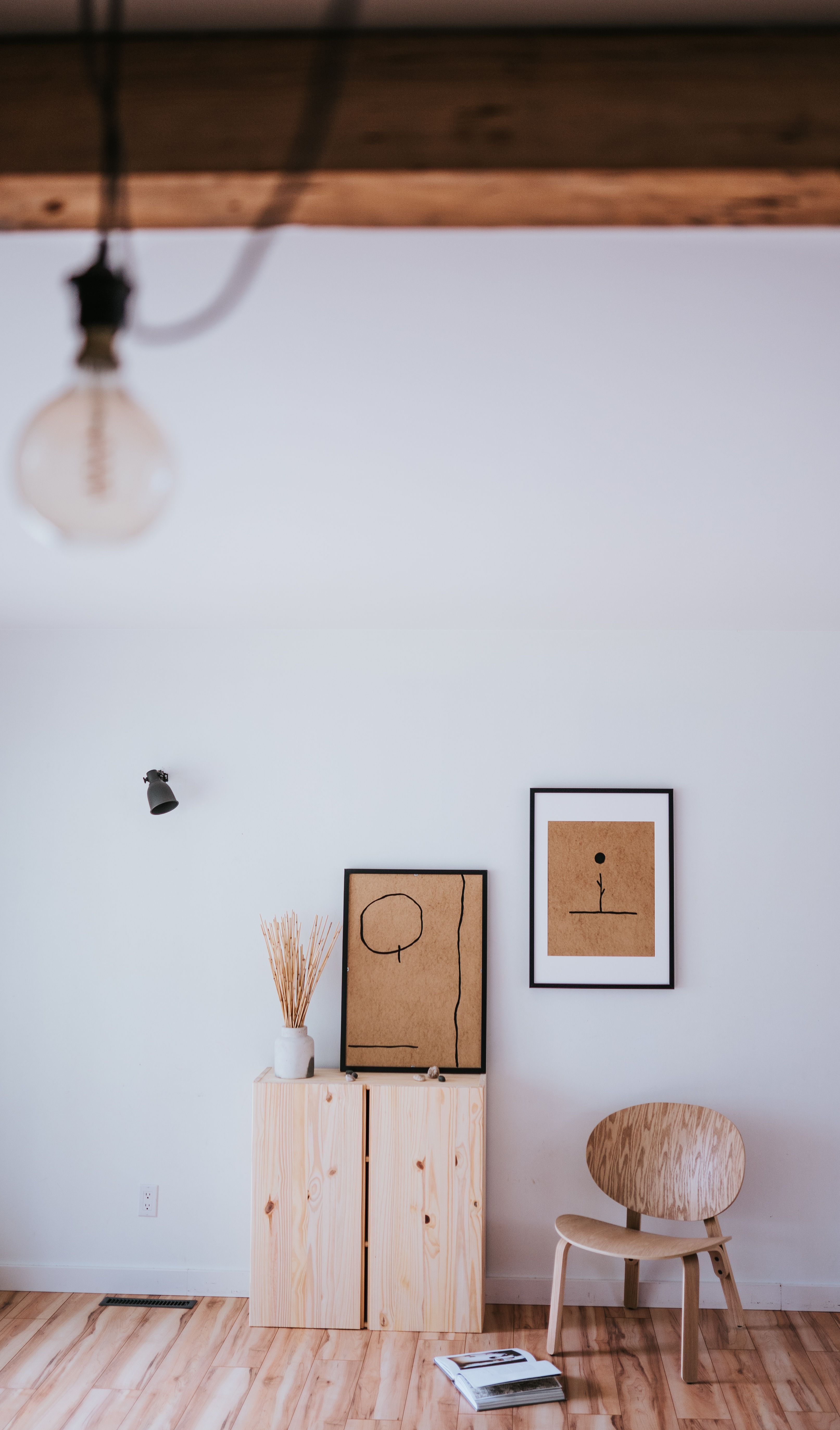
“I want a minimal home.”
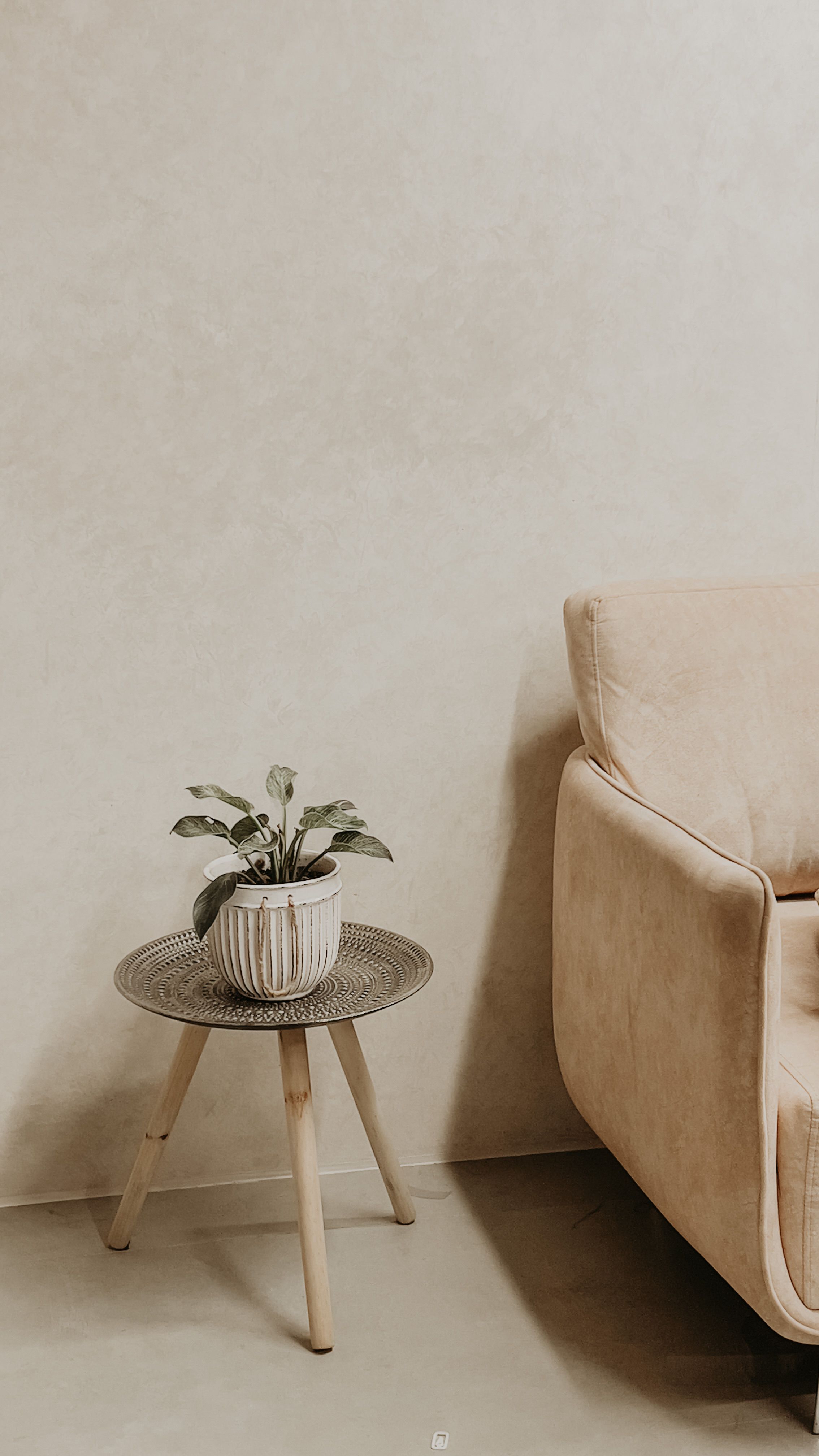
I hear some version of this fairly often. The difficulty is that minimal seems to mean something different every time someone says it. For one homeowner, it means white walls and clean lines. For another, it means hidden storage and very little furniture. Sometimes the reference is a Scandinavian interior, sometimes a boutique hotel, and sometimes it is simply a Pinterest image with a large beige sofa and almost nothing else in the room.
Usually, what the person is actually trying to describe is a feeling. They want their home to feel calm. Uncluttered. Easy to live in. They may have accumulated too many things over the years, or lived in homes where every available surface slowly became occupied. “Minimal” becomes shorthand for wanting the opposite.
But I have never been entirely convinced that visual emptiness is what creates that feeling.
Walking through the Hoysaleswara Temple at Halebidu complicates the idea almost immediately. Much of the temple is built from a remarkably restrained material palette, yet almost every available surface carries extraordinary detail. Bands of elephants, horses, foliage and narrative scenes wrap around the building. Figures are covered in jewellery, textiles and ornament carved into stone. There is very little about the experience that could be described as visually empty.
And yet the building doesn't feel arbitrary. The detail belongs to a larger order. Patterns repeat, stories unfold across surfaces and ornament follows the architecture rather than simply being placed onto it. There is an enormous amount to look at, but very little feels accidental.
I think about this in a completely different way when I remember my ancestral home outside Mangalore. There were red oxide floors, exposed timber rafters and barely any furniture. By today's visual standards, somebody could probably photograph parts of it and describe them as minimal. But nobody living there was practising minimalism. There was no aesthetic decision to own fewer things or leave surfaces deliberately empty.
There was simply less that didn't belong.
The furniture existed because somebody used it. Objects stayed because they were useful, inherited or important to the family. Materials came from what was available and appropriate to the place. The house wasn't trying to look restrained. Restraint was a consequence of the way it was lived in.
That distinction has become increasingly useful in conversations with homeowners. When someone tells me they want a minimal home, the next question isn't necessarily how little we can put into it. It is what they are actually hoping to remove. Visual noise? Maintenance? Possessions without a place? Too many materials competing with one another? The feeling that the house is always slightly out of control?
The answers lead to very different homes.
A room can hold books, art, inherited furniture, colour and objects collected over years and still feel calm. Another can contain almost nothing and somehow feel unresolved. The number of things in the room tells us surprisingly little about whether those things belong together.
So when someone says, “I want a minimal home,” I'm less interested in how empty they want it to look.
I want to know what they want to make room for.
Further Reading
- The Quiet Work of Design — How details, craftsmanship and considered decisions can shape a space without demanding attention.
- Designing for Time — Why lived-in homes often become richer as furniture, objects and materials accumulate the marks of time.
- Whimsical Flooring Guide — A collection of patterned, expressive and unconventional flooring ideas that challenge the idea that good design needs to be visually restrained.